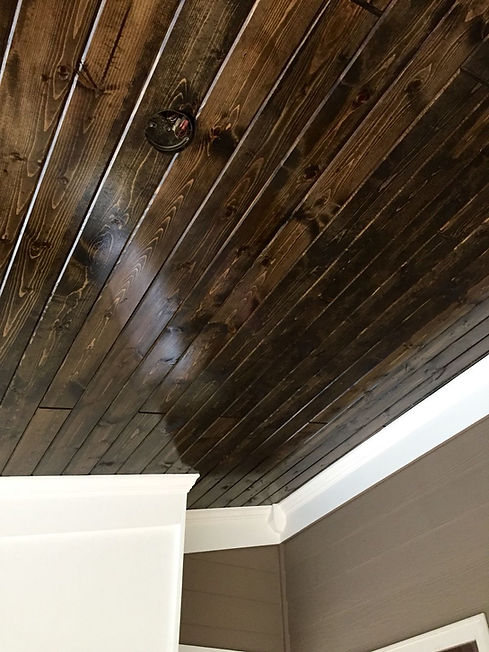
Stain
Tess Parisi


General Information
Stain is a thin liquid that can be applied to the top of any wood application to change the color and feel to be a desired way. Stain is almost always used on wood since it is very porous and is absorbent of the liquid. Stain is similar to paint in the way that it alters the color of the material but it is almost a soak for the material to permanently change the color and feeling. Stains can be almost any opacity and can be layered for a richer look. Since it is a more natural process, the grain of the wood almost always shows through and adds depth and texture.
Stain is a combination of dyes and pigments mixed into a solvent. The most frequently used stains are those including alcohol, water, and oil. Each has different qualities and can create a different level of grain showing through depending on which type is used.
Environmental Impact
Stain is very environmentally friendly, especially when produces and stored properly. It is manufactured heavily with chemicals and harmful additives that, if not used properly, could impact indoor air quality. It also requires a large amount of energy to produce and maintain finishes, with acrylic and urethane stains being the most petroleum derived solvents which is then followed by natural oils and water-based resins. As stains dry they release VOCs which contribute directly to air pollution. Stains are made with toxic substances and are usually made with nonrenewable sources that negatively impact the environment as a whole.


Use in Interior Setting
1. This drawer shows that many stains can be used together to make a cohesive and creative accent drawer.
2. This table shows how much stain has an impact on interiors and that it can be used on almost any wood surface, including this outdoor table.
3. This drawer has a cohesive and warm stain that ties into the theme of the room and brings a sense of home into the space.
4. These wood stain samples show how stain can be layered in an interior and how there can be many layers of one stain which creates depth and options for how much saturation a designer would want in the space.
5. This interior shows how different stains can be used together and how much if an impact on a space a stain makes.

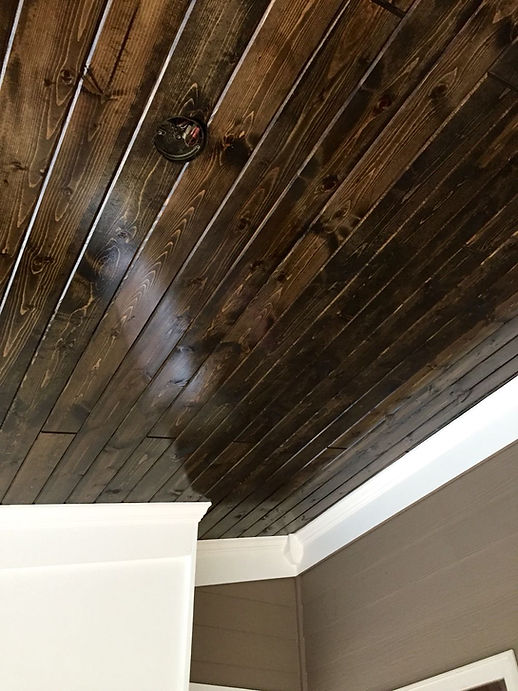
Wood Flooring
Stain has been used for centuries using different types of natural pigments from plants and minerals. It is estimated that stains were first used over one hundred years ago and they started becoming more advanced around 1920. Since stain's history goes so far back, its main application is on wood flooring and other materials to add a certain style.
Testing Organizations:
Stain & Clean-ability Testing (https://applied-lab.com/lab-tests/stain-cleanability-testing/)
Microchem laboratory (Pink stain test) (https://microchemlab.com/test/astm-e1428-pink-stain-test)
Relevant standards through ASTM:
ASTM E1 "Pink Stain Test" (https://microchemlab.com/test/astm-e1428-pink-stain-test)