Nylon
Tess Parisi


General Information
Nylon is a synthetic polymer that can be used for carpet, upholstery, clothing, tent coverings, luggage, bags and coats . This fiber was made in 1935 by a Dupont chemist named Wallace Carruthers. A certain type of nylon, called Nylon 6, can be then recycled into new carpet fibers through a process of closed-loop recycling.
Nylon was the first true synthetic fiber made and it has many characteristics such as a high tensile strength, heat resistance, high chemical resistance, and is abrasion resistance.
Environmental Impact
Nylon is a very durable and recyclable material. Nylon 6 can be broken down and created to be a new material or item. It is a natural material but it has to be produced with a lot of water. It takes a lot of energy to produce nylon, throughout the production process of the genuine material or for the production of objects such as ropes and clothing. Nylon production creates some greenhouse gasses yet it can be battled with using that gas to make more types of different fabrics, as mentioned from a speaker from Interface flooring company.


Use in Interior Setting
1. This textile is a unique stitch that can be used as a waterproof surface or a possible specific material for a backpack.
2. Tights are made from nylon because of its stretchy nature and comfortable feeling. It is sturdy and not easily stretched or broken.
3. This rain coat shows that nylon can be used on many surfaces, especially those that can handle the harsh weather outdoors.
4. Nylon can be made into many stitches and can be layered for strength and durability.
5. This photo shows that nylon is very waterproof and easily folded without creating creases.

Application
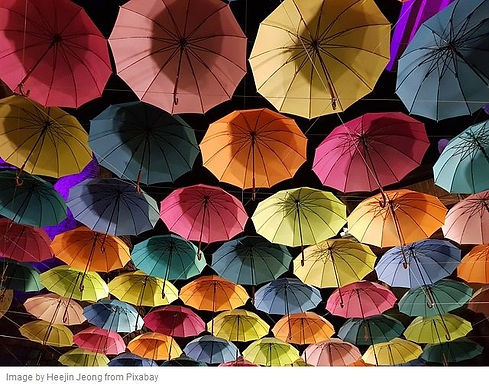
Nylon is very versatile and can be used for many applications including umbrellas, coverings, and items that can withstand the harsh weather outside. It is a very useful fabric and can be reused to create other materials and objects. Overall, nylon is a beneficial material for the environment and for humans.
Testing Organizations:
Rogers Imaging Research Development Material Testing (https://rogersimagingcorp.com/material-testing/?gclid=Cj0KCQiAzMGNBhCyARIsANpUkzMwTGDd-dZUHrydZznm1KepKeR_leCA9Q8Y1nQi0nFT-bN5F6n-pdAaAqAAEALw_wcB)
Methenamine Pill Test
Dynisco Materials Testing (https://www.dynisco.com/userfiles/files/Testing.pdf)
Relevant standards through ASTM:
ASTM F1740-96(2018)
Standard Guide for Inspection of Nylon, Polyester, or Nylon/Polyester Blend, or Both Kernmantle Rope
ASTM F1740-96
Standard Guide for Inspection of Nylon, Polyester, or Nylon/Polyester Blend, or Both Kernmantle Rope